
Sand, aggregate, blocks, cement, steel and other raw materials are heavy, bulky and often needed on site at a specific time. Moving them by road safely and on schedule depends on matching the truck to the material, respecting weight limits and making sure the delivery site can receive the load. This guide covers how to plan it.
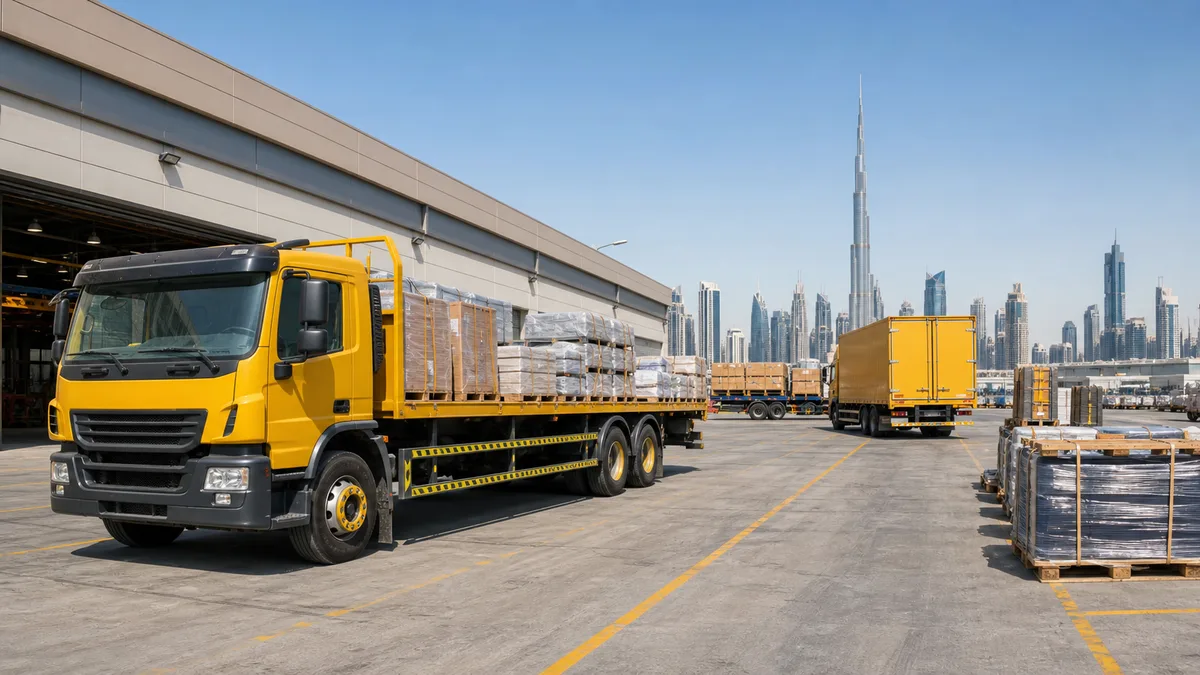
Match the truck to the material
Loose bulk materials such as sand and aggregate travel in tipping trucks and are unloaded by tipping. Packed materials such as blocks, cement bags on pallets, steel bars and pipes travel on flatbed or open trucks and need a forklift, a crane or hands to unload. Say how the material is packed.
Weight comes first
Raw materials reach a truck’s weight limit long before they fill it. Give the quantity by weight where possible, or the number of pallets and their weight. Overloaded trucks are unsafe and illegal, so a large order may need more than one trip.
Loading at the source
Quarries, suppliers and factories often have their own loading hours and procedures. Confirm when the material will be ready and whether the supplier loads the truck. Have the order reference or delivery documents ready for the driver.
Covering and securing
Loose loads must be covered so material does not blow or spill onto the road. Long items such as steel bars and pipes must be secured and, if they overhang, marked. Ask how the load will be covered and secured.
Delivery site readiness
The truck needs firm, level ground to tip or unload, away from excavations and overhead lines. Mark exactly where the material should go. If it must be moved further on site after delivery, arrange a loader or forklift for the same time.
Information to send
Material type, quantity and weight, packaging, pickup location and loading times, delivery pin, where to tip or unload, unloading equipment available and the required delivery time.