
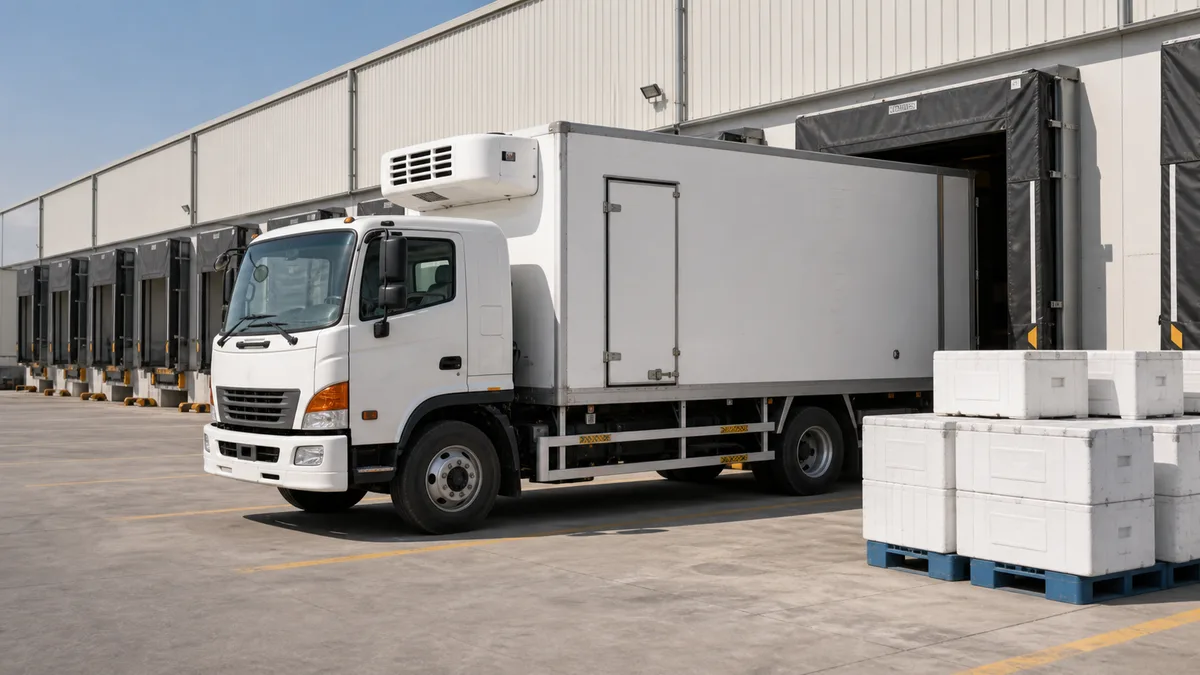
Temperature-sensitive goods depend on every step of the trip staying within range: the truck, the loading, the journey and the handover at the other end. A refrigerated truck keeps the load cold, but it cannot fix goods that were loaded warm or left waiting on a dock. This guide explains how to plan a refrigerated delivery in Dubai and across the UAE.
State the temperature range
Chilled goods such as fresh food, flowers and some medicines usually travel within a band above freezing; frozen goods travel well below zero. Give the exact range the goods require, as stated by the product owner or its documentation, not a general description.
Pre-cool the truck and load quickly
Ask for the truck’s cargo space to be brought to temperature before loading. Have the goods ready at the dock so the doors are open for as short a time as possible. Goods should already be at their correct temperature when loaded; the truck maintains temperature rather than cooling warm goods quickly.
Packing and airflow
Pallets and cartons should be stable and packed so cold air can circulate around the load. Avoid stacking against the walls or blocking the air flow at the front. Separate goods that need different temperatures, or send them separately.
Timing and the receiver
Agree delivery windows with the receiver and make sure someone is ready to take the goods straight into cold storage. A refrigerated load left waiting outside a closed warehouse is at risk.
Records
If your goods require temperature records, say so when booking, and agree how readings will be shared. Note the temperature of the goods at loading and at delivery.
Information to send
Goods type, required temperature range, number of pallets or cartons, weight, pickup and delivery pins, loading and receiving times, and any record-keeping requirements.